
Building Farms for the Future: Introduction
By Alex Coonrod, Manager, Jubilee Farms
What does farming look like?
For many people, the answer is simple. They picture rolling fields, red barns, tractors crossing the countryside, and crops growing beneath the open sky. It's an image that has defined agriculture for generations, and one that deserves our respect. For thousands of years, farmers have worked alongside nature, adapting to changing seasons and unpredictable weather to provide the food that sustains our communities.
But the world around us is changing.
Today, more than half of the world's population lives in cities, and that number continues to grow. At the same time, farmers are facing longer droughts, stronger storms, shifting weather patterns, rising production costs, and increasing pressure to produce more food while using fewer resources. These challenges are not the result of any one farmer or any single event. They are the reality of a changing world, and they require us to think differently about how and where food is grown.
At Jubilee Farms, we are not trying to replace traditional agriculture. Quite the opposite. We believe traditional farms will always be the backbone of our food system. Instead, we are exploring how technology can strengthen agriculture by making it more efficient, more sustainable, and more accessible to the communities that need it most.
Imagine if fresh produce could be grown year-round in the heart of a city. Imagine reducing the distance food travels before it reaches your plate. Imagine producing crops using less water, fewer resources, and with greater consistency than ever before. These ideas are no longer science fiction. They are becoming reality through advances in agricultural science and engineering.
The future of farming is not about replacing farmers with machines. It is about giving farmers better tools.
Throughout history, every major advancement in agriculture has come from innovation. The plow made it possible to cultivate more land. Irrigation allowed civilizations to flourish in dry climates. Tractors transformed labor. Modern genetics improved crop performance. Each advancement changed the way we farm, not because farmers wanted to abandon tradition, but because they wanted to produce food more effectively.
Today, we stand at the beginning of another transformation.
Modern farming is becoming a blend of biology, engineering, environmental science, and data. Farmers are learning not only from experience and observation but also from information collected through sensors, environmental monitoring, and precision control systems. These technologies do not replace knowledge gained through years of farming. They build upon it, allowing growers to make better decisions and solve problems before they affect production.
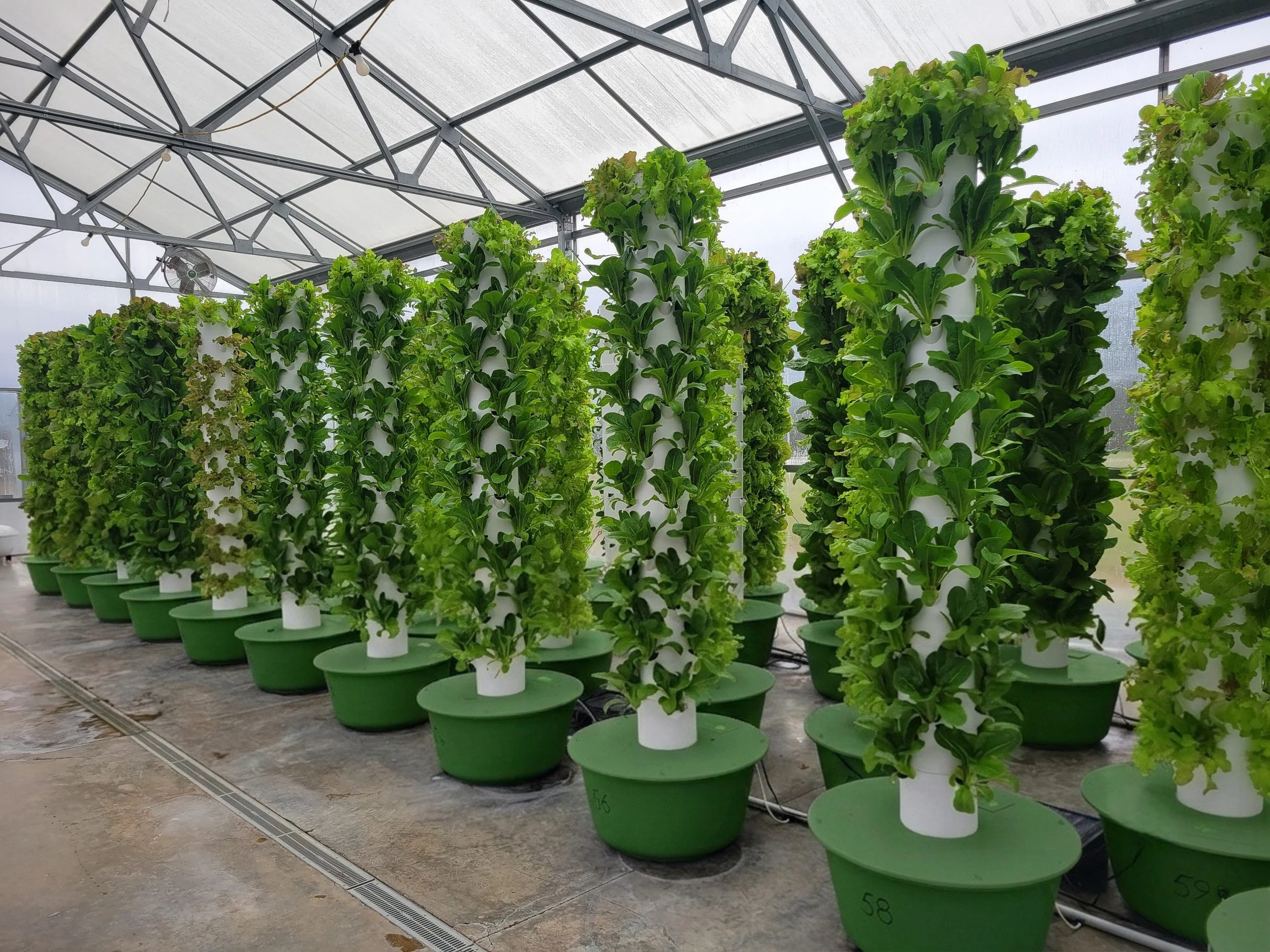
At Jubilee Farms, we are building more than an indoor farm. We are building a model for what urban agriculture can become. Every system we design, every lesson we learn, and every challenge we overcome helps us better understand how to grow fresh food closer to the communities we serve while using resources responsibly.
This series is an invitation to join us on that journey.
Over the coming months, I will take you behind the scenes of Jubilee Farms to explore the science, technology, and innovation shaping the next generation of agriculture. Together, we will look at how plants grow, how technology can help us care for them more effectively, and why the future of farming will depend on bringing together the best of traditional agriculture with the possibilities of modern innovation.
The future of farming is not an idea waiting to become reality decades away.
It is being built right now.