
The Future of Farming Is Here
By mid-2026, Jubilee Housing will open an aquaponics farm inside one of its affordable housing buildings, and that means fish, plants, and fresh food will grow where you might expect storage rooms and air vents. Jubilee Farms will live in the basement and on the roof of Ontario Place, producing fresh produce and creating job training opportunities for justice-involved individuals right in the heart of Adams Morgan.
For generations, farming relied on soil, climate, and the natural rhythms of the land. Today, as communities face growing environmental pressures and increasing limitations on available space, new agricultural models are emerging that challenge our assumptions about how food can be made. Traditional farming, hydroponics, and aquaponics each offer distinct approaches, and knowing their differences is essential as cities and organizations explore more sustainable and efficient ways to grow fresh produce. These models show how agriculture is evolving and why innovative systems are becoming important in both rural and urban settings. Understanding how these systems work helps explain why Jubilee Farms is not just a cool idea, but a smart one.
Three Ways to Grow: From Soil to Smart Systems
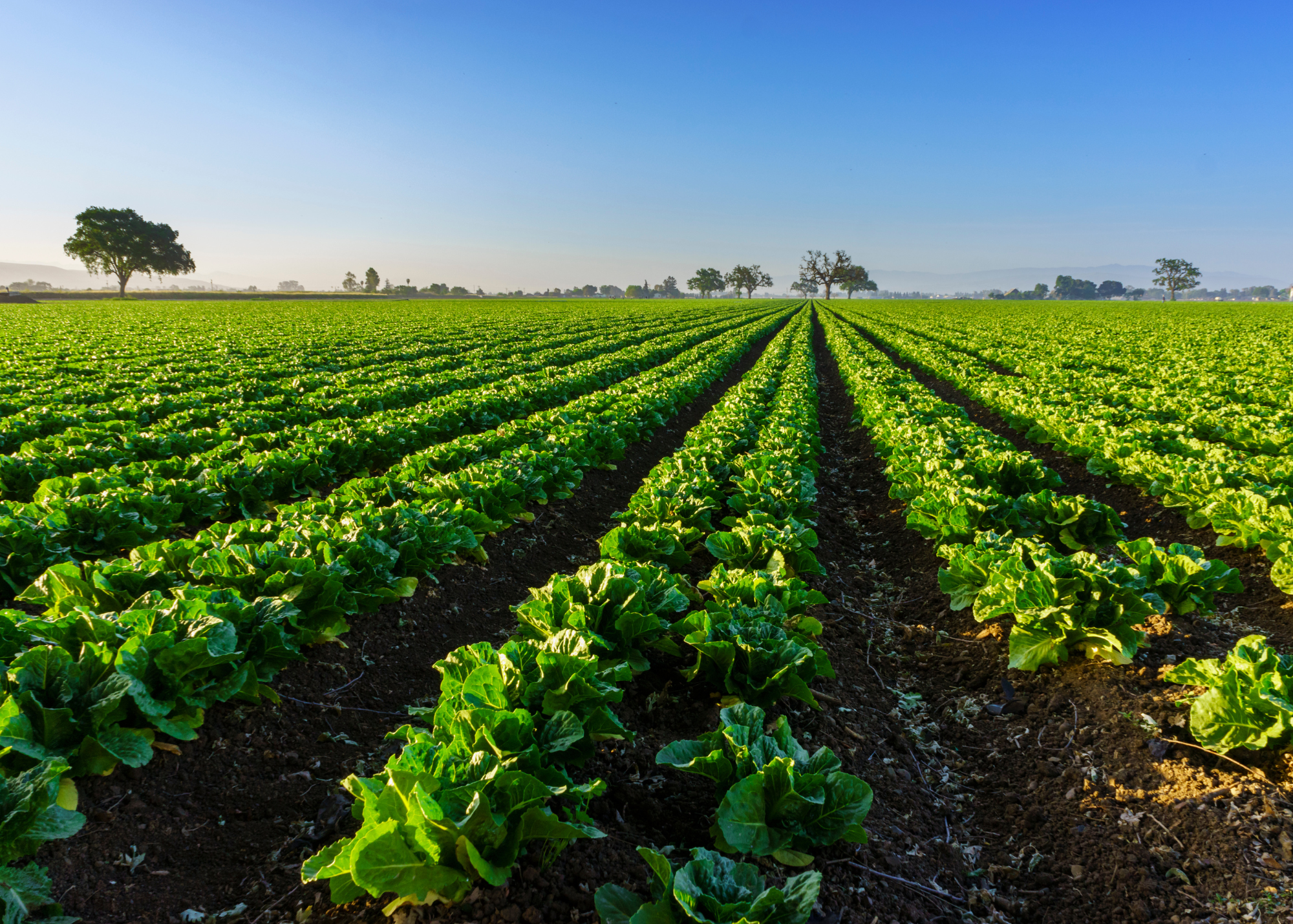
Traditional farming is the original blueprint for how we grow food. It uses soil, sunshine, and seasonal cycles to raise crops, and when everything goes right, it feeds millions of people. But it also needs a lot of land and water, and it is increasingly affected by climate shifts, pollution, and urban development. In cities like Washington, DC, there simply is not much farmland left. Even when there is space, the soil may not be healthy enough to grow food. Traditional farming will always matter, but on its own, it cannot meet the needs of modern cities.
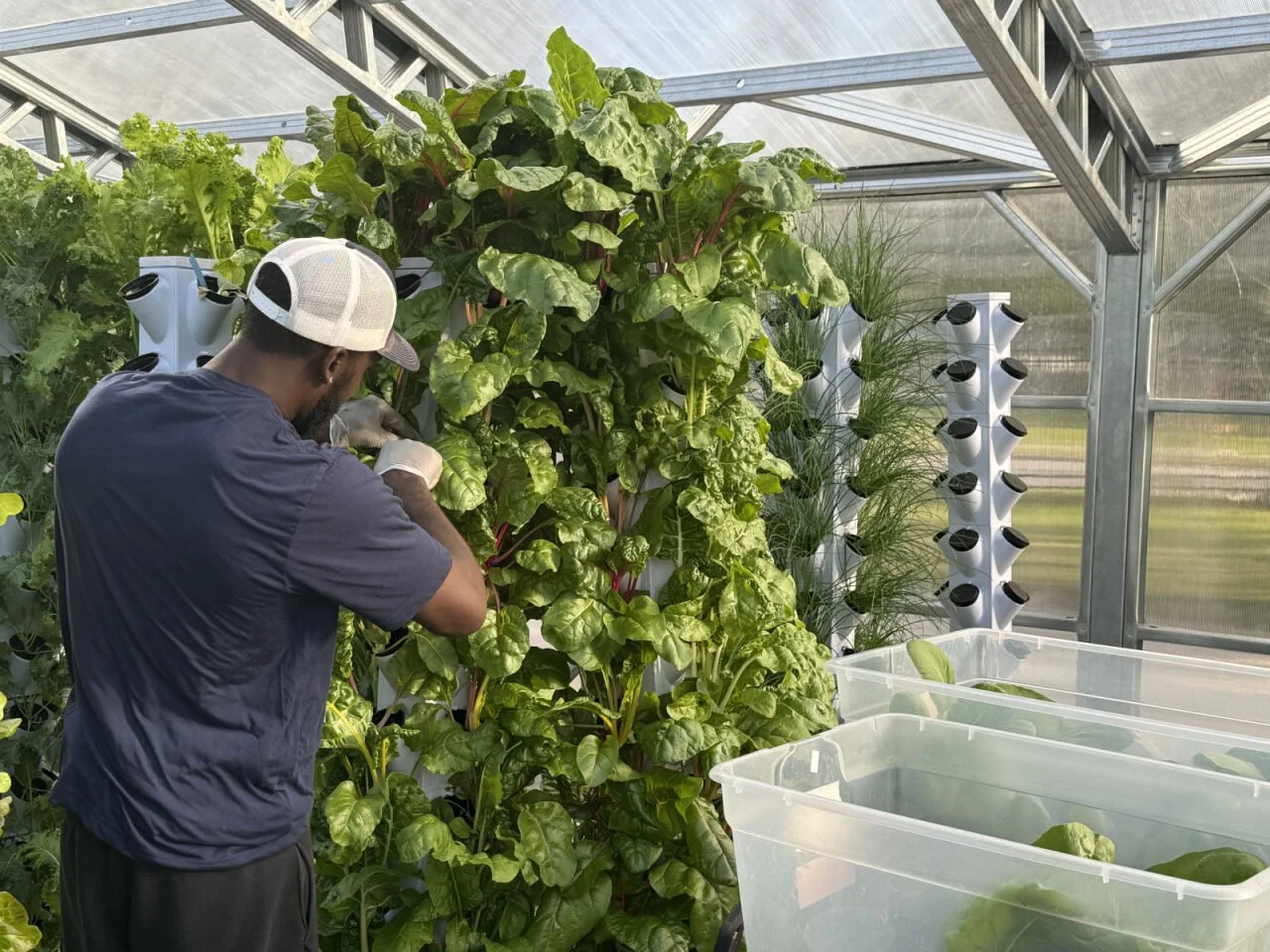
That’s where hydroponics enters the picture. In a hydroponic system, plants grow in water instead of soil, receiving nutrients that are carefully mixed into the water. The plants are held in place with materials like coconut coir, a natural fiber made from coconut husks, or lightweight clay pellets that give the roots something to grip. Technology keeps everything running smoothly. Pumps circulate water, timers regulate feeding cycles, and sensors keep track of nutrient levels, temperature, and pH so the plants stay happy. Because everything is controlled, crops often grow faster and stronger than they would in soil, and they use far less water. Hydroponic farms can also be stacked vertically and placed indoors, which makes them perfect for cities. The tradeoff is that they require careful monitoring and reliable electricity, but when managed well, hydroponics turns small spaces into surprisingly productive farms.
Aquaponics takes things up a notch by adding fish to the mix. In an aquaponic system, fish live in tanks and produce waste that naturally contains nutrients. Friendly bacteria step in and convert that waste into food for the plants. The plants then filter and clean the water before it flows back to the fish. It is a tidy little cycle that produces vegetables while reusing nearly all of its water. Because the system runs on natural processes, aquaponics does not rely on synthetic fertilizers. Like hydroponics, it works year-round and fits easily into indoor spaces. It does take some practice to keep the fish, plants, and bacteria in balance, but once everything clicks, the system becomes incredibly efficient and surprisingly elegant.
A Fresh Idea Built on a Proven Model
More communities are turning to these systems because they offer something traditional farming cannot always guarantee in cities: reliability. Food can be grown regardless of weather, land can be used vertically, and farms can pop up in basements, warehouses, and rooftops. These methods are not meant to replace traditional agriculture, but they do open the door to growing food in places we never could before.
That is exactly what Jubilee Housing is doing with Jubilee Farms. Inside the Ontario Place building, hydroponics and aquaponics will be used to grow fresh produce year-round in a clean, controlled, and resource-efficient environment. That food will not just travel outward into the city; it will come home too, helping provide fresh, healthy produce for the residents of Ontario Place and the surrounding community.
But this farm is about more than food. It will also serve as a hands-on training site for justice-involved individuals, helping them build skills in a fast-growing industry while contributing directly to their own community. Above all, the rooftop farm will be a place of light, life, and beauty, a green space where plants, people, and possibilities can meet in the middle of the city. By weaving sustainable farming into its Justice Housing® model, Jubilee Housing is proving that housing, food, and opportunity do not have to be separate stories. At Jubilee Farms, they are all part of the same ecosystem, growing together.