
From Field to Family: A Short (and Sweet) History of CSA
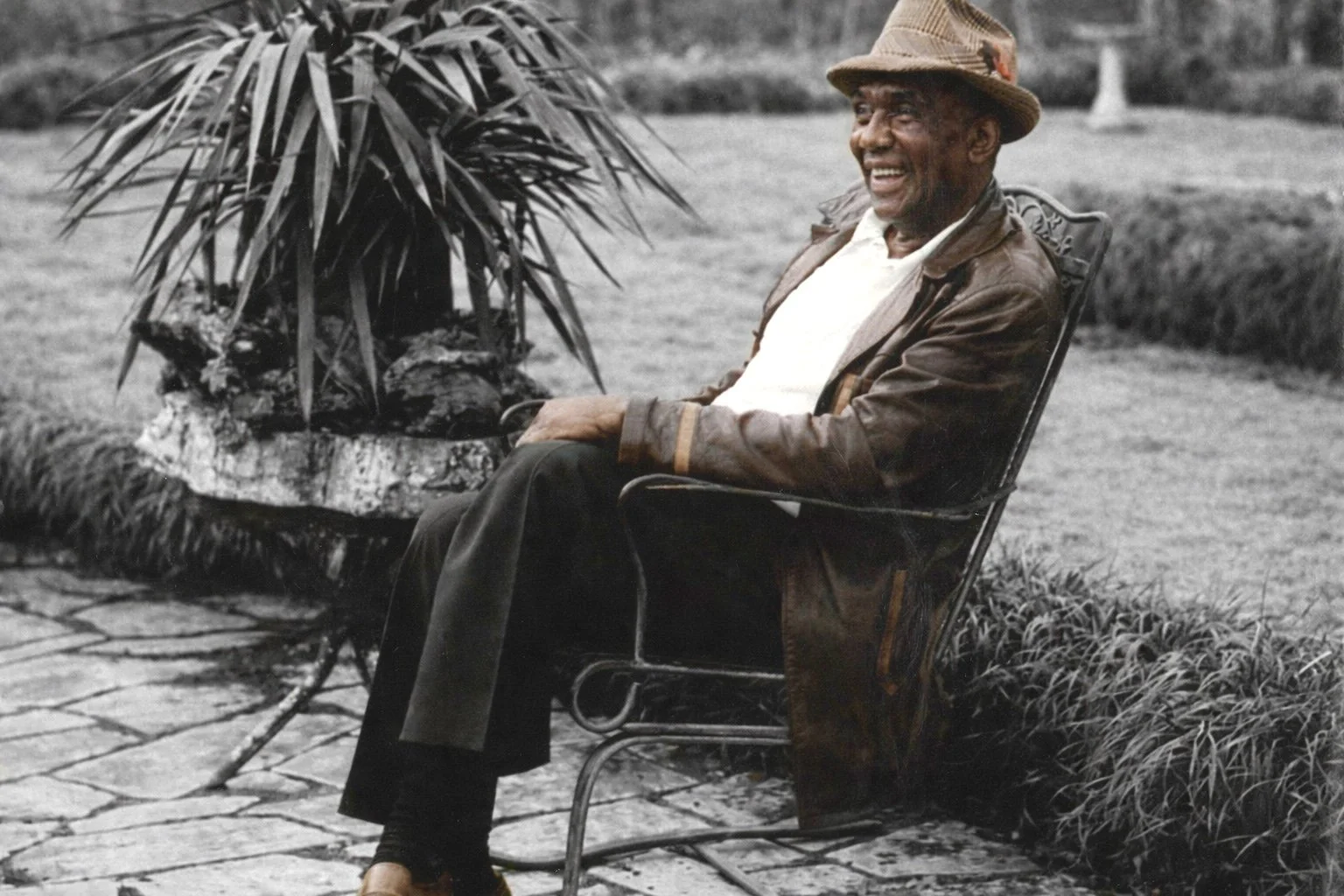
Professor Booker T. Whatley of Tuskegee University; pioneer of the CSA movement.
Before “farm-to-table” became a buzzword, there was something even better: Community Supported Agriculture, or CSA. The idea is simple but powerful. Instead of buying produce after it’s grown, members invest in a farm at the beginning of the season and receive regular boxes of fresh food in return. It’s part grocery, part partnership, and it’s been changing food systems for decades.
One of the unsung pioneers of the CSA movement was Professor Booker T. Whatley of Tuskegee University in Alabama. In the early 1970s, he promoted what he called “Clientele Membership Clubs,” where families paid farmers in advance for their harvest. His goal? To help farmers plan better, reduce financial risk, and rebuild a strong Black agrarian middle class. “This enables the farmer to plan production, anticipate demand, and have a guaranteed market,” Whatley said.
At nearly the same time, a similar movement was growing in Japan. Called Teikei, it brought consumers and organic farmers together to fight food waste and overproduction. People wanted food they could trust, from farmers they actually knew.
Back then, being part of a CSA often meant long drives and awkward pickup hours. Today, thanks to hyperlocal urban farming, CSAs are faster, fresher, and closer than ever. Some farms can harvest in the morning and deliver them by dinner.
That’s exactly what Jubilee Farms is bringing to DC. Later this year, Jubilee Farms’ year-round CSA will provide ultra-fresh greens, specialty crops, and craft-quality products grown right in the community. With vertical indoor aquaponics, a Farm to Freedom workforce program, and food in the basement and on the rooftop of deeply affordable housing, Jubilee’s CSA is not just about produce; it’s about people, place, and a future where good food is truly local.