
From the Nile to the Rooftop: Lettuce's Long Journey Home
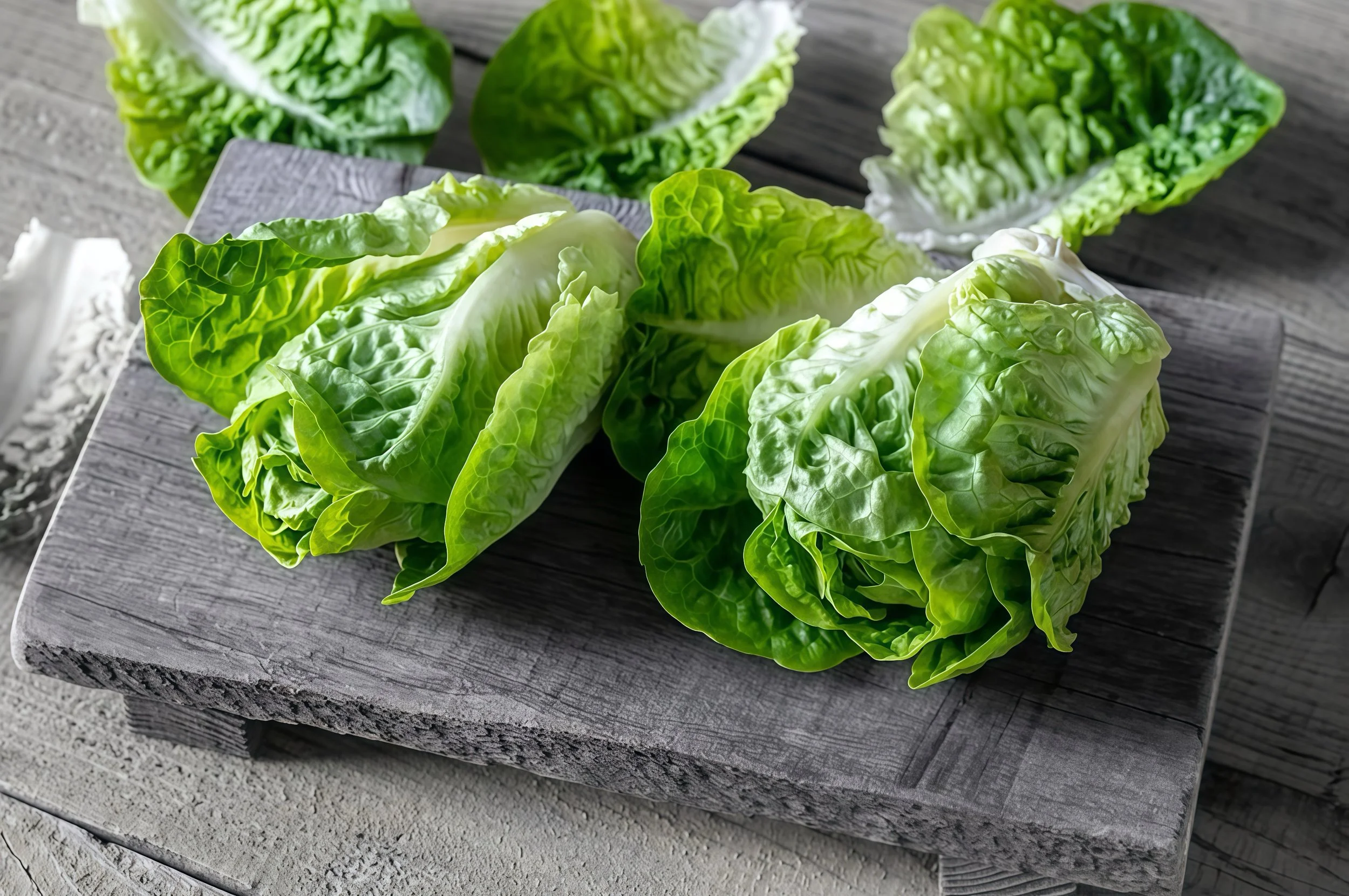
Long before lettuce showed up limp and forgotten on the side of a fast-food tray, it was sacred. It was medicine. It was food fit for gods and pharaohs. At Jubilee Farms, we're bringing that history back to life, quite literally, in our basement and rooftop urban farm at Ontario Place. Here, lettuce isn't just a crop. It's a continuation of a story that stretches back over four thousand years, proof that something ancient is about to grow somewhere new.
A Plant Fit for Pharaohs
Lettuce didn't start out as a diet food. In ancient Egypt, it was a symbol of fertility, vitality, and abundance.
The Egyptians cultivated a tall, spiky variety of lettuce that looked more like a small tree than the soft leafy greens we know today. It was closely associated with Min, the god of fertility and the harvest, and it appeared in tomb paintings and temple carvings as an offering of life and renewal. Priests and farmers alike understood something we're only now rediscovering: that this humble plant, grown in the right conditions, could nourish a body and a community for generations.
The Egyptians didn't just eat lettuce, they grew it with intention. They pressed oil from its seeds. They used it in rituals. They passed the knowledge of its growth from one generation to the next. A plant that was once grown at the feet of gods is now growing in a city that needs it just as much.
A Vegetable That Traveled the World and Never Lost Its Meaning
From Egypt, lettuce made its way to Greece and Rome, where physicians prescribed it for sleep, digestion, and calm. It traveled along trade routes, through empires, across oceans, until it became one of the most common vegetables on tables worldwide.
But somewhere along the way, in the era of industrial agriculture and supply chains stretched thin across continents, lettuce lost its story. It became disposable. Bagged. Sprayed. Trucked thousands of miles before it ever touched a plate. The plant that once symbolized abundance became a symbol of a food system that treats nourishment as an afterthought.
We think it's time to reclaim that story, too.
Growing Lettuce Where the Community Can See It
This is where Jubilee Farms comes in.
Our urban farm at Ontario Place is being built with lettuce as one of its founding crops, not by accident, but by design. Through Controlled Environment Agriculture (CEA), we create and manage the ideal conditions plants need to grow instead of leaving them entirely up to chance. By carefully controlling factors like light, water, temperature, and nutrients, CEA allows us to grow fresh produce efficiently and consistently throughout the year.
Lettuce is especially well-suited to this system. It's fast-growing, water-efficient, and thrives in aquaponics, where fish waste provides nutrients for the plants and a filtration system provides the water to the fish. It's a closed loop. A relationship. A small, working model of what balance can look like when nothing is wasted and everyone benefits.
But the deeper reason we're growing lettuce isn't just about efficiency. It's about visibility. By bringing Controlled Environment Agriculture into the heart of our community, we're making food production visible again. Instead of traveling thousands of miles before reaching a plate, fresh food can be grown where people live. Our greenhouse creates a space where neighbors can see how food is grown, learn about sustainable agriculture, and one day harvest it themselves.
In traditional gardening and farming, lettuce is often one of the first crops people learn to grow. It's forgiving. It's fast. It offers an early, tangible win; a head of lettuce planted by someone’s own hands is ready to harvest in just a few weeks. That kind of quick, visible success matters when you're rebuilding confidence, establishing new routines, or discovering a sense of purpose. At Jubilee Farms, that simple experience becomes part of something much bigger: reconnecting people with food, with learning, and with one another.
Ancient Roots, Modern Growing
There’s something powerful about growing a plant with a four-thousand-year-old history in the heart of a modern city, feeding people who have been overlooked by that same modern food system.
Our Ontario Place farm will grow more than lettuce, but lettuce will be one of the first things people taste, crisp, fresh, and grown right in their neighborhood instead of shipped from somewhere far away. It’s a small thing. A simple green leaf. But so was the seed the Egyptians once offered to their gods and look how far it traveled.